Assessments
What are Psycho-Educational Assessments?
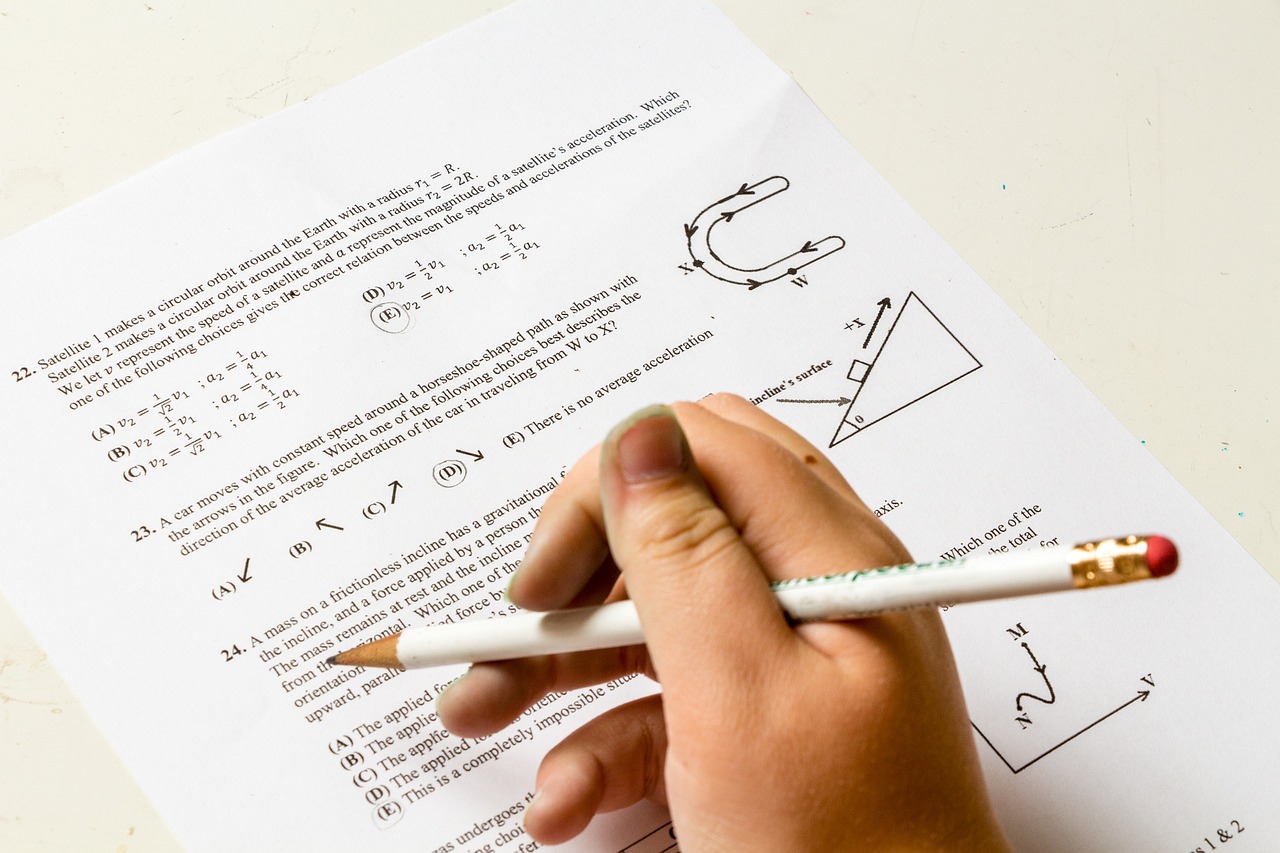
Psycho-educational assessments are crucial in understanding a child’s cognitive, emotional, social, and academic development. They provide valuable insights that help parents, teachers, and professionals support a child’s unique learning needs.
Key reasons for Assessments:
Identifying Learning Difficulties
Understanding Cognitive Strengths & Weaknesses
Supporting Emotional & Social Development
Guiding School Placement & Educational Support
Facilitating Early Intervention
Providing a Roadmap for Parents & Educators
A psycho-educational assessment is not just about identifying difficulties—it’s about unlocking a child’s full potential and providing the right support for lifelong learning and success.
Learn More About the Different Assessments
Cognitive Assessments
A cognitive assessment measures a person's thinking abilities, problem-solving skills, memory, attention, and reasoning, such as IQ tests.
Aptitude
An aptitude test measures an individual's natural abilities, strengths, and potential in specific areas. These tests help predict how well a person may perform in academic settings, careers, or problem-solving situations.
Proficiency
A proficiency test measures an individual's ability in a specific skill or subject area, to evaluate whether a learner meets the required level of competency. For example, tests that assess the learners' level of reading, writing, spelling, comprehension, and mathematics.
School Readiness Assessments
A School Readiness Assessment helps determine whether a child is developmentally prepared to start formal schooling. It evaluates key areas such as cognitive skills, language development, fine and gross motor abilities, emotional maturity, and social readiness. The goal is to identify strengths and potential areas of support to ensure a smooth and successful transition into school.
Behavioural-Social-Emotional
Exploring a child's behavior, social skills, and emotional functioning helps the psychologist to understand the child's specific challenges, strengths, and overall well-being. These assessments help identify difficulties such as anxiety, depression, emotional regulation issues, social struggles, or behavioral concerns that may impact daily life, relationships, or academic performance.
Perceptual & Motor Development
Perceptual and motor development assessments evaluate how a child processes sensory information (such as visual and auditory perception) and develop fine and gross motor skills, both of which are essential for activities like reading, writing, coordination, and physical play. Difficulties in these areas can impact academic performance and daily functioning.
Career Assessments
A Career Assessment is a structured evaluation designed to help individuals understand their strengths, interests, personality traits, and skills to make informed career choices. It provides valuable insights into suitable career paths, study options, and work environments that align with an individual's unique abilities and aspirations.
Neurological Assessments
A Neurological Assessment is a specialized evaluation that examines brain function and how it affects a person’s thinking, behavior, emotions, and overall cognitive abilities. It helps identify potential neurological conditions, learning difficulties, developmental delays, or cognitive impairments caused by injury, illness, or genetic factors.
Let Us Help You!
Whether you have questions or are ready to take the next step, we are here to assist you.